
Describe the property
Send the location, symptoms, equipment and access details. State whether the work is a repair, replacement or planned project.
Need duct cleaning in Guelph? Tell us which air ducts, dryer vent or ventilation equipment need attention. A responding provider will confirm coverage and availability before booking.
Get A Free QuoteCompare supply and return cleaning methods, including negative-pressure collection, branch access, and whether photographs will document the agreed work.
View scopeReview the complete route from dryer connection to exterior termination, including bends and rises, and ask how airflow will be checked afterward.
View scopeClarify whether the work includes blower removal, wheel and housing cleaning, or in-place evaporator coil washing for your equipment.
View scopeIdentify whether the scope covers the HRV core, filters, condensate drain, and bathroom or kitchen exhaust ducts to their terminations.
View scopeConsider treatment only after investigating the odour source and reviewing the cleaning sequence, product label, and re-entry guidance.
View scopeCompare verified supply- or return-side leaks with repairs for crushed or detached runs, and ask which materials are proposed.
View scopeDefine included systems, rooftop or make-up air equipment, access limits, scheduling needs, and the records required at completion.
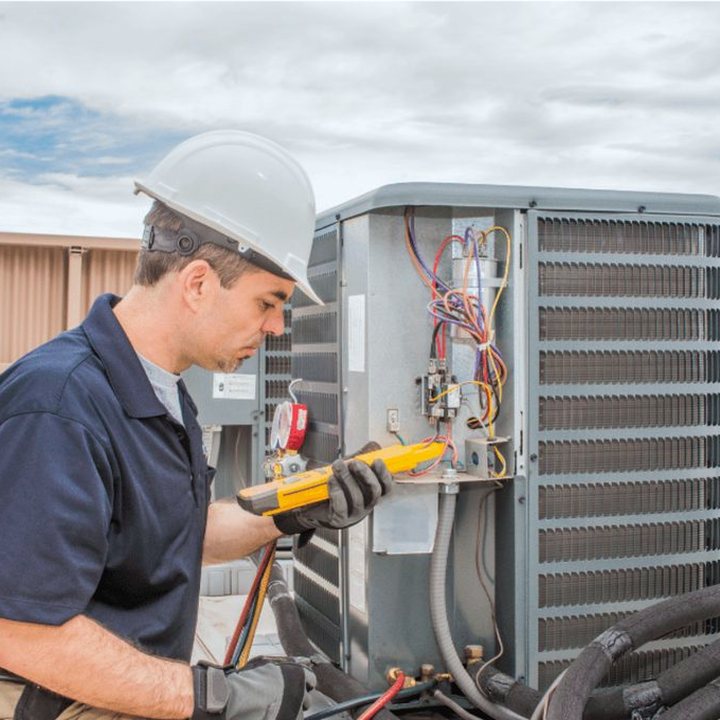
View scopeCommercial ventilation projects in Guelph can involve different systems, operating hours, and access constraints, so establish the scope before comparing proposals. Identify the areas served, equipment types, access points, and any rooftop units or make-up air equipment. Ask what duct sections and components are included, how business operations will be protected, and what records will be provided. Restaurants, clinics, offices, and daycares may have distinct system layouts and scheduling needs that require site-specific planning.
Compare supply and return cleaning methods, including negative-pressure collection, branch access, and whether photographs will document the agreed work. Review the complete route from dryer connection to exterior termination, including bends and rises, and ask how airflow will be checked afterward. Clarify whether the work includes blower removal, wheel and housing cleaning, or in-place evaporator coil washing for your equipment.
Identify whether the scope covers the HRV core, filters, condensate drain, and bathroom or kitchen exhaust ducts to their terminations. Consider treatment only after investigating the odour source and reviewing the cleaning sequence, product label, and re-entry guidance.
Compare verified supply- or return-side leaks with repairs for crushed or detached runs, and ask which materials are proposed. Define included systems, rooftop or make-up air equipment, access limits, scheduling needs, and the records required at completion.
A dryer vent scope depends on the full route from the appliance to its outdoor termination, not just the visible connection behind the dryer. For a job in Guelph, note whether the laundry is in a basement, on an upper floor, or in a stacked arrangement, then identify known bends, rises, and the exit location. Ask how the selected tools will follow the actual pipe route and how airflow at the termination will be checked after clearing.
Explore this serviceSend the location, symptoms, equipment and access details. State whether the work is a repair, replacement or planned project.
The request is reviewed so the responding provider can clarify the work, property access and service coverage.
Agree the provider identity, qualifications, written scope, pricing and visit window directly. Sending a form does not confirm an appointment.
If the building has rooftop units or make-up air equipment, ask for those components to be identified and assessed separately from ordinary duct runs. Access, configuration, and component condition can change the work required. Request a written scope that states what is included before authorizing additional work or comparing prices.
If the dryer route includes a long vertical section, multiple bends, or a roof termination, show the contractor any plans or access information. Those features affect tool selection and may limit access. Confirm whether the work runs from the dryer connection through to the outdoor termination rather than stopping at a convenient point.
If the HRV has a removable core, ask how it will be removed and cleaned according to the equipment instructions. Have the drain outlet and visible hose route identified as well. A blocked condensate path can affect operation independently of core deposits, so checking it helps distinguish maintenance needs from a separate fault.
A useful scope explains how each accessible branch will be mechanically agitated while negative pressure collects loosened material. Ask how sections are isolated and how debris is prevented from entering rooms. The method matters because agitation without effective collection can redistribute material rather than remove it.
If an odour followed smoke, a pet, a pest, or a tenancy change, describe that history and show any affected areas. Ask whether the source may be outside the duct system, such as at equipment or a nearby cavity. Identifying the likely source helps determine whether duct treatment is relevant at all.
Use the form to describe the property, the symptoms and the work requested. For Rockwood, Fergus, Acton, Cambridge, include your postal code so local coverage can be checked.